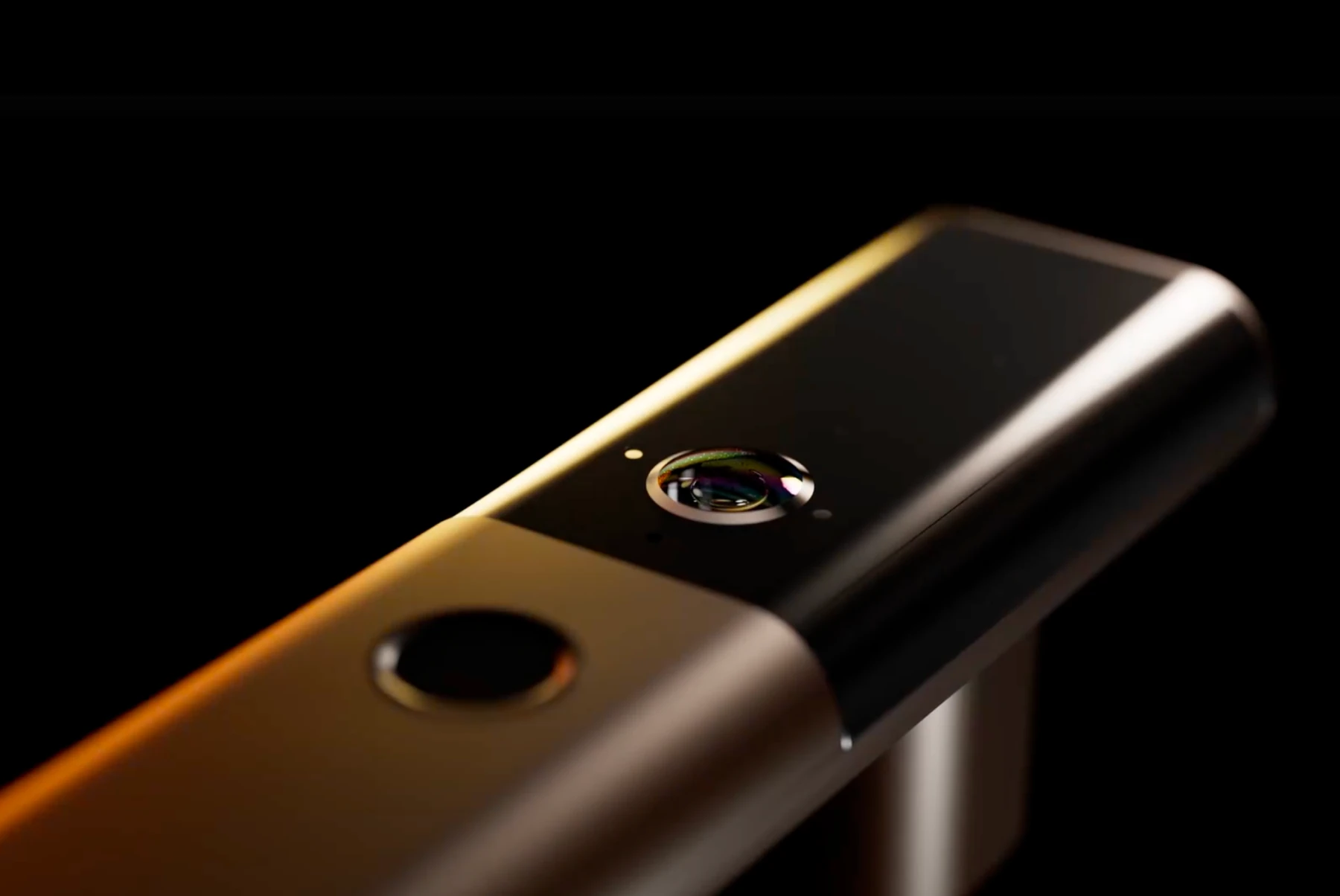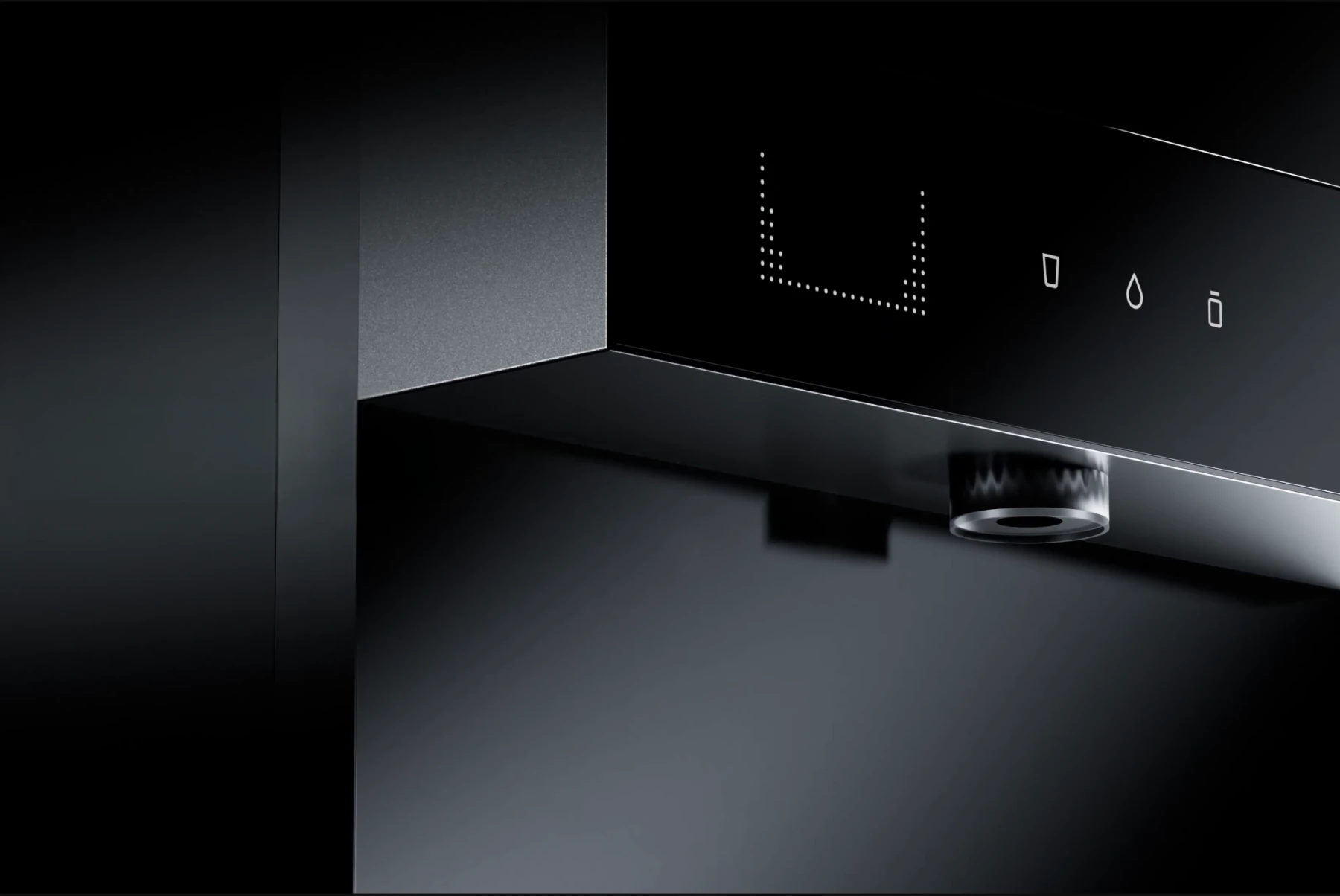
A perfect glass of water is almost nothing. No smell. No haze. No metallic edge. Nothing that asks for attention—only a clean, quiet taste.
That simplicity is deceptive. Before water reaches a glass, it carries a record of where it has been: rock, soil, pipes, storage tanks, treatment plants, and the plumbing inside a home. Every source leaves a signature.
Purification is not the pursuit of water with nothing in it. It is the discipline of removing what should not be there while preserving a taste people genuinely want to drink.
Every city begins with different water.
In Bengaluru, borewell water can cross 800 ppm TDS. In Mumbai, monsoon conditions can change inlet quality within days. In Delhi NCR, hardness and dissolved salts vary by neighbourhood. A fixed process can clean each one, but it cannot treat them as though they are the same.
Native reads inlet conditions continuously, then adjusts how the system works. The aim is consistent output without wasting pressure, water, or filter capacity.

Clean enough is not the same as balanced.
Reverse osmosis is remarkably effective, but effectiveness alone is not the final measure. Water stripped too far can taste flat. Water left too mineral-heavy can carry a chalky or saline edge. The useful line sits between the two.
Seven purification stages work as one system: sediment is intercepted first; dissolved contaminants are reduced; microbial barriers add protection; and the final mineral profile is tuned for taste.
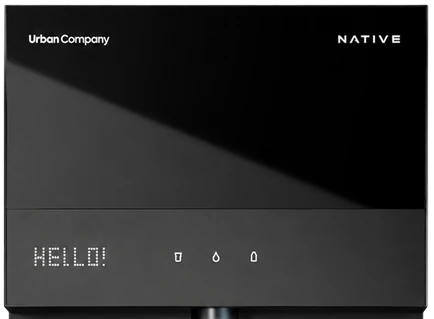

Performance is what remains after thousands of litres.
A new filter is the easy moment. The engineering challenge is consistency: keeping output stable while inlet conditions change and deposits accumulate. M3-series filters are designed around a three-year service interval, with internal cleaning cycles and pressure monitoring that protect performance over time.
The system watches flow, inlet quality, runtime, and filter resistance. Rather than relying on a calendar alone, Native intelligence builds a working picture of the water passing through the home.
The result is deliberately uneventful.
Turn the tap. Fill the glass. Drink. The measurements, adjustments, cleaning cycles, and diagnostics recede into the background.
That is the point. The perfect glass is not a spectacle of engineering. It is what engineering makes possible when it has done its job well.