

Does RO Water Cause Mineral Deficiency?

By Urban Company
4 min read
Jun 18, 2026
Here's What the Science Actually Says
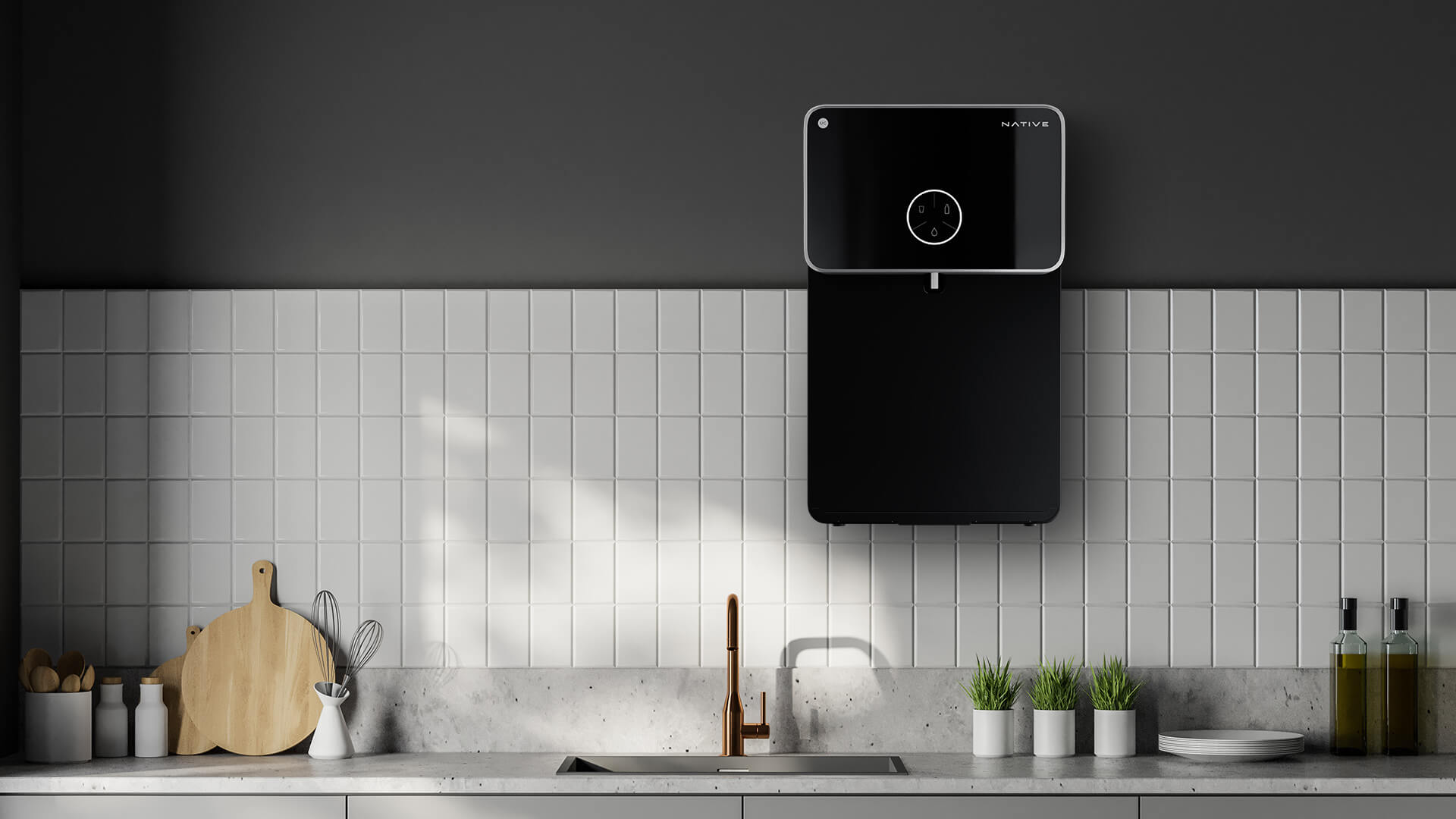
If you've ever shopped for a water purifier, chances are someone has told you to avoid RO water. The reasoning usually goes something like this: ‘RO removes all the minerals, you'll end up with nutrient deficiencies if you keep drinking it over long periods of time.’ It sounds reasonable. But it’s one of the persistent myths in the water purifier industry. Let's look at what's actually happening.
What RO removes and what it doesn't?
A Reverse Osmosis (RO) membrane works by pushing water through a barrier so fine that most dissolved substances get filtered out. That includes the bad stuff you definitely don't want in your water which includes dirt, bacteria, heavy metals like lead, arsenic, along with pesticides, chemicals, and excess salts. But it also removes some of the dissolved minerals that occur naturally in water — primarily calcium, magnesium, sodium, and potassium. Depending on your source water and the membrane quality, RO typically removes 90–98% of these minerals. That sounds like a lot. But the real question is: how much of your daily mineral intake actually comes from water in the first place? People hear "90% of minerals removed" and assume that means 90% of their daily mineral intake is gone. But water has never been your main source of minerals: it’s actually food. Let's look at calcium and magnesium, the two minerals most often cited in this debate.
Calcium:
An adult needs about 1,000 mg of calcium per day. A glass of regular tap water (250 ml) typically contains 5–25 mg of calcium, depending on hardness. Even on the higher end, drinking 8 glasses a day gives you maybe 200 mg: about 20% of your daily need at best, and usually far less. Compare that to food: a single cup of milk gives you about 300 mg. A cup of yogurt, around 450 mg. A bowl of dal, 60–80 mg. A serving of paneer, 200 mg. Leafy greens, ragi, sesame seeds, almonds are other rich sources. A typical Indian meal pattern delivers your full calcium requirement several times over.
Magnesium:
An adult needs about 400 mg per day. A glass of tap water gives you 2–10 mg. Eight glasses a day might get you to 50 mg. From food? Whole grains, legumes, nuts, bananas, dark leafy greens: these are all packed with magnesium. A single handful of almonds (around 30g) gives you 80 mg. A bowl of rajma, about 90 mg. The pattern is the same across every mineral that water contributes. So you get the drift:
Water is, at most, a minor supplementary source. Food is where your body actually gets what it needs.
But most ROs have a remineraliser: doesn't that mean RO water needs fixing?
A remineraliser (also called a mineraliser) is a small cartridge fitted after the RO membrane that adds back small amounts of clean, food-grade calcium and magnesium. The amounts vary depending on the cartridges used but could be broadly similar to soft tap water. Second, it helps restores some of the natural taste. Pure RO water can taste flat to people used to mineral-rich tap or borewell water. The added minerals bring back that familiar mouthfeel, making the water feel more like what you're used to. The minerals don't change how nourished you are, but they do change how the water feels on your tongue. So a remineraliser is a nice-to-have. It rounds off the taste and adds a small mineral top-up. But if your purifier doesn't have one, you're not at risk of any meaningful nutritional gap — your food is already doing that job many times over.
The honest answer
To sum it up, at normal consumption levels, with a normal diet, RO water does not cause mineral deficiency (with or without a remineraliser). The minerals you need come from your food. The amount water contributes: even mineral-rich water, is small enough that drinking RO water versus mineralised water makes almost no measurable difference to your nutrition over weeks, months, or years. What RO water does do is remove the things that genuinely matter: heavy metals, pesticides, dissolved chemicals, and other contaminants that your food can't compensate for. A piece of paneer can replace the calcium that RO filters out. Nothing in your diet can undo the damage of drinking lead or arsenic for years. So if you're choosing a water purifier, the question isn't "Will RO water make me deficient?" — the science is clear that it won't. The more important question to ask is: ‘Is my purifier actually removing the things I should be worried about? Is it giving me 100% RO purified water?’ Worry less about what's been taken out of your water. Worry more about what shouldn't have been there in the first place.
FAQs
Does RO water cause mineral deficiency?
No. The minerals your body needs come primarily from food, not water. Removing them through RO purification has no meaningful impact on nutrition for people with a normal diet.
What does a remineraliser actually do?
A remineraliser adds amounts of calcium and magnesium back into purified water after RO filtration.
Is low-TDS water unhealthy?
Not necessarily. TDS only measures the quantity of dissolved substances, not whether they are beneficial or harmful.
Is RO water safe to drink?
Yes. Long-term health risks from drinking water are linked to contaminants such as heavy metals, pesticides and dissolved chemicals. RO is designed to remove these risks.
What should one actually look for when buying a water purifier?
Focus on whether the purifier effectively removes contaminants such as heavy metals, chemicals and bacteria.



Social links