

What is an RO Water Purifier?

By Urban Company
5 min read
Mar 26, 2026
And why do you need one?
What is an RO Water Purifier?
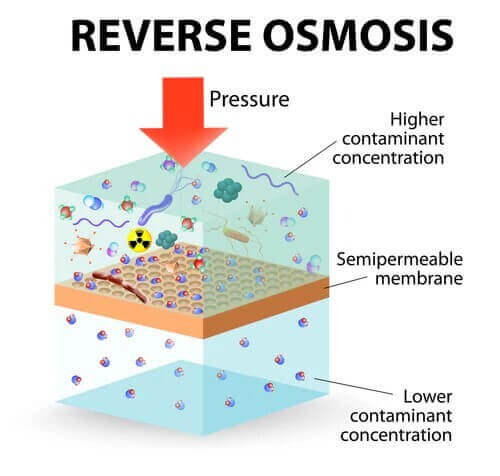
An RO water purifier is a system that removes dissolved contaminants by pushing water through a semi-permeable membrane. It can eliminate heavy metals, salts, and chemicals that basic filters cannot remove. This makes it the most advanced domestic water purification system that you can purchase.
Why does water purification matter?
Most people in urban Indian cities assume tap water is safe by the time it reaches their glass. But what we often forget is everything that happens before that. The treatment, storage, distribution, and finally the building’s plumbing all play an important role in the purity of your water. At each step, there’s a possibility of picking up toxic contaminants. These impurities generally fall into three categories: - Physical: Sand, rust, dust - Biological: Bacteria, viruses - Dissolved: Salts, heavy metals, chemicals UF filtration systems can remove visible particles, while UV systems sterilise and kill the microorganisms and viruses in the water. But dissolved contaminants such as heavy metals require a different kind of treatment. Reverse osmosis (RO) is specifically designed to remove dissolved contaminants that basic filtration cannot address.
What does Reverse Osmosis (RO) Mean?
Osmosis is a natural process where water moves through a semi-permeable membrane from an area of lower concentration to higher concentration, trying to balance things out on both sides. RO does exactly the opposite. Instead of letting water move naturally, pressure is applied to push it through an extremely fine membrane. The pores in this membrane are so small (around 0.0001 microns) that while water molecules can pass through most dissolved impurities like salts, heavy metals and chemicals are left behind. What you’re left with are two streams of purified water that passes through and reject water that carries the filtered-out contaminants In most modern systems, the purified water then goes through a final step where essential minerals are added back. This helps balance the water and makes it more suitable for regular consumption.
How does an RO water purifier work?
Most RO purifiers use multiple filtration stages rather than only relying on the membrane because different types of impurities require different filtration methods. No single filter can remove everything effectively.
1. Pre-filters
Water first passes through pre-filters designed to remove larger and harmful particles before reaching the RO membrane. This stage is critical because it protects the RO membrane from damage and clogging thereby extending its lifespan. It removes particles such as: - Sand - Dust - Rust - Debris from pipelines
2. Activated Carbon Filtration
Municipalities add chlorine to water to kill bacteria, however, it damages the RO membrane material. The carbon filter strips out chlorine before it can do damage while also removing some organic compounds that make water taste or smell bad.
3. Reverse Osmosis Membrane
This is the core purification stage. Water is pushed through the RO membrane under pressure. The membrane allows water molecules to pass blocking many dissolved contaminants. RO plays a critical role in reducing dissolved contaminants such as heavy metals and salts. According to
NSF International, RO membranes can remove 95–99% of dissolved contaminants such as lead and nitrates. Examples include: - Lead: Yes - Arsenic: Yes - Microplastics: Yes - Nitrites: Yes - Nitrates: Yes The rejected impurities are flushed out through a separate outlet as wastewater (reject water).
4. Remineralisation
As reverse osmosis removes most dissolved minerals, many purifiers add small amounts of essential minerals such as magnesium and calcium back into the water to stabilise the water. This step ensures the water tastes palatable and is ready to be consumed. Some advanced ROs also have alkaline and copper enrichment to further enhance taste and further add health benefits.
5. Post Filtration
Ultraviolet Sterilisation (UV) treatment exposes water to ultraviolet light, which damages the DNA of microorganisms and prevents bacteria and viruses from reproducing while it is stored in the tank. This ensures an additional layer of microbial protection and is the final step of the disinfection process.
Why are RO purifiers common in India?
RO purifiers are widely used in India because water quality can vary significantly depending on the source. Rivers may carry pesticide runoff and industrial waste, lakes can contain algae toxins and animal waste, and groundwater often has high levels of dissolved salts and heavy metals like arsenic. While municipal treatment plants purify water before distribution, the process is not always fully effective especially with increasing pollution and pressure from rapid demand increase due to population growth. Even after treatment the water can get contaminated during its journey to homes. Aging pipelines may leach chemicals or allow contaminants to enter through leaks. Reports such as those by
The Guardian, have highlighted that treated water can become re-contaminated during distribution. Additionally, water is often stored in overhead or underground tanks, where poor maintenance or stagnation can lead to microbial growth and sediment buildup. Common drinking water sources include: - Borewell / groundwater: High mineral levels - Municipal supply: Treatment failure and pipeline contamination - Tanker water: Uncertain source This is why filtration at the point of consumption is very important. Basic purification methods like UV or UF can eliminate microorganisms but do not remove dissolved contaminants such as heavy metals and salts. RO purification addresses this gap by removing dissolved impurities, providing a more comprehensive level of purification and an added layer of protection beyond municipal treatment. This is why RO systems, such as Urban Company’s Native RO, are commonly used in Indian households to ensure safe, reliable drinking water and give you an additional layer of protection beyond municipal treatment.
Key Takeaways
- Reverse osmosis removes dissolved contaminants using a semi-permeable membrane. - RO membranes can remove heavy metals, salts, and chemical pollutants. - Multi-stage filtration systems improve overall purification. - Water contamination can occur at many points before reaching your tap, irrespective of the source of water. - RO purifiers are widely used in India due to variable water quality and poor water infrastructure. - RO purifiers ensure that you get 100% pure water every time irrespective of the source water.
Frequently Asked Questions
Is RO water safe to drink daily?
Yes, RO removes dissolved contaminants (heavy metals like arsenic, lead, fluoride, etc) from water, and makes it safe for consumption. Many modern RO systems also remineralise the water after purification to improve the taste and restore pH balance.
Does RO remove all minerals?
RO removes most dissolved minerals. Many systems add essential minerals back through remineralisation to improve taste.
Is RO better than UV purification?
RO removes dissolved contaminants, while UV only disinfects microorganisms. RO offers more comprehensive purification.
What happens if filters are not replaced on time?
Over time, filters accumulate dirt, sediments, and chemical residues, which can lead to noticeable changes in the taste and odour of the water. If they aren’t replaced on time, their ability to remove contaminants drops significantly, meaning the water may no longer be effectively purified.
Social links